
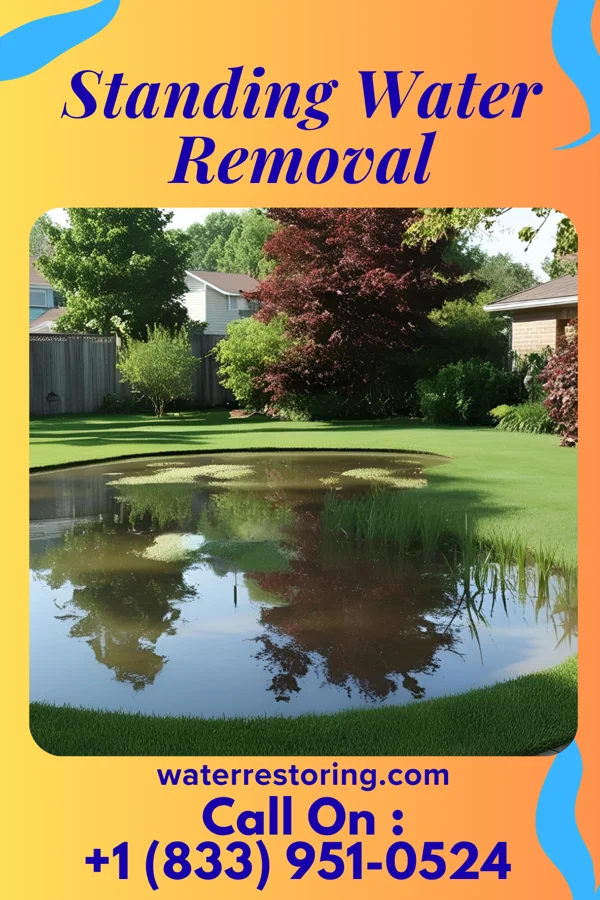
Bellevue Standing Water: What Owners Should Know
Residential or commercial, water damage emergencies in Bellevue keep coming back to the same drivers. In Bellevue, Pennsylvania, the primary water damage causes include sewer line backups due to aging infrastructure and heavy rainfall events that overwhelm local drainage systems. Additionally, basement flooding from groundwater seepage is common, especially during spring thaws and autumn storms. sits at the top of the list. A close second is Secondary causes include plumbing leaks from residential and commercial properties, particularly in older homes with outdated piping systems. Stormwater runoff from nearby roads and development projects also contributes to localized water intrusion in low-lying areas..
Bellevue's climate, characterized by heavy spring and autumn precipitation, increases the risk of water damage. The area's proximity to the Allegheny River and frequent thunderstorms further elevate the likelihood of sudden water intrusion events.
Water damage in Bellevue follows a few local patterns. In Bellevue, Pennsylvania, the primary water damage causes include sewer line backups due to aging infrastructure and heavy rainfall events that overwhelm local drainage systems. Additionally, basement flooding from groundwater seepage is common, especially during spring thaws and autumn storms. accounts for the bulk of our calls. Bellevue's climate, characterized by heavy spring and autumn precipitation, increases the risk of water damage. The area's proximity to the Allegheny River and frequent thunderstorms further elevate the likelihood of sudden water intrusion events. Mold growth can develop rapidly in Bellevue due to the region's high humidity and frequent moisture exposure. Prompt water damage restoration is critical to prevent long-term health risks and structural damage in homes and businesses.
For public guidance on the health effects of mold after prolonged water exposure, see the EPA mold and health page.